
Salt Lake City, Utah, is the state's capital and a major center for business, education, and tourism. The city is known for its mountain views, outdoor attractions, and growing residential communities. Its roads connect busy commercial areas, residential neighborhoods, and surrounding communities, making daily travel an important part of life for many people.
With so many people relying on these roads, vehicle safety becomes an important concern, especially when accidents result in injuries. A compassionate Salt Lake City car accident attorney can help injured individuals understand their legal rights, review the circumstances of a collision, and determine who may be responsible.
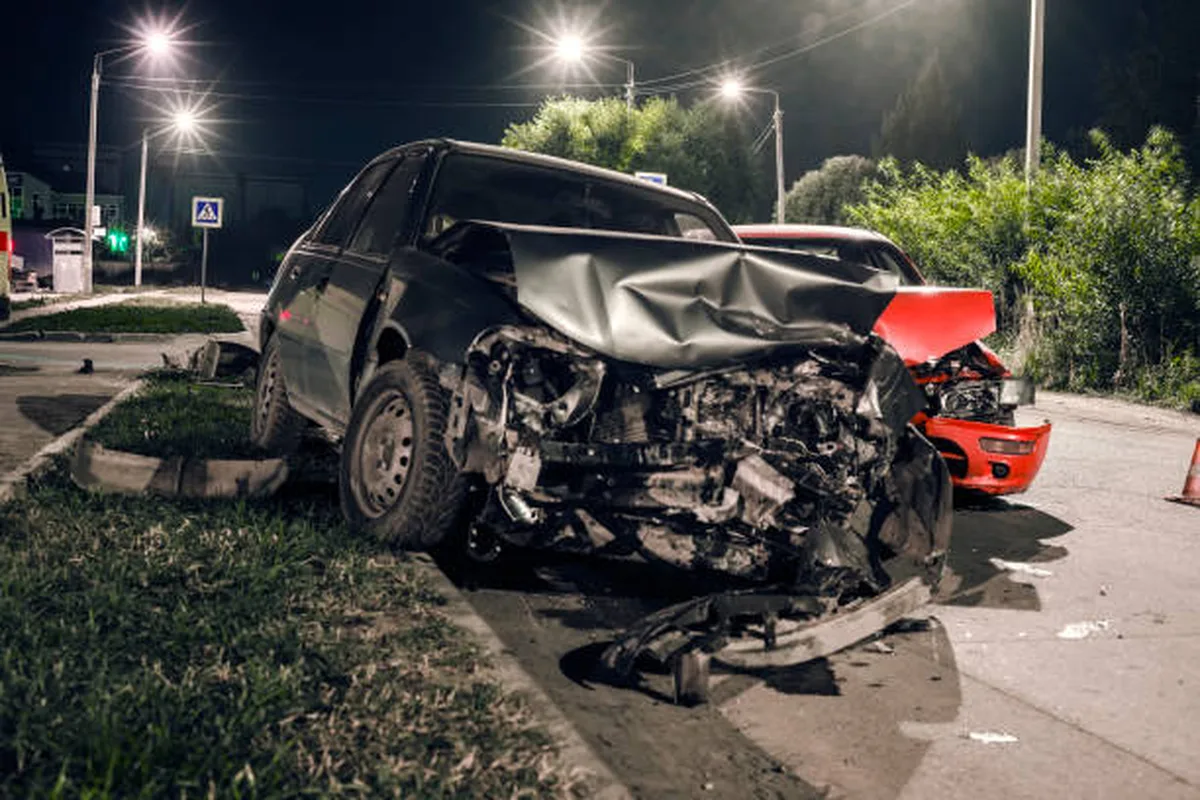
One situation that requires careful investigation is a nighttime collision caused by failed headlights. Responsibility depends on why the lights stopped working and whether someone could reasonably have prevented the danger. The driver may be liable for operating a vehicle with defective headlights, while an owner, maintenance provider, or parts manufacturer may share responsibility if their negligence contributed to the failure. Evidence must establish how the defect occurred and how it contributed to the crash.
When the Driver May Be Responsible
Drivers are expected to keep their vehicles in reasonably safe operating condition. If a headlight is visibly broken, dim, or not working, continuing to drive can create a serious safety risk, especially at night.
A driver may be held responsible if they knew or should have known about the faulty headlights but failed to repair them or take reasonable steps to prevent an accident. Drivers must also ensure their headlights work properly and use them when required to maintain visibility and keep other road users safe.
When the Vehicle Owner May Share Liability
The person driving the vehicle is not always its owner. An owner may potentially be responsible if they knowingly allowed an unsafe vehicle to be used or failed to address a known lighting problem.
For example, a vehicle owner who repeatedly ignores warnings about a failed headlight may face questions about whether allowing the vehicle onto the road was reasonable. Ownership alone, however, does not automatically establish liability.
When a Repair Shop or Manufacturer May Be Responsible
A mechanic or repair business may be responsible if negligent work caused the headlights to fail. Examples include incorrect wiring, improper installation, or failure to identify a problem during an agreed inspection.
A manufacturer may also face a product-liability claim if a defective headlight assembly, electrical component, or other part caused the failure. Such claims require evidence connecting the defect to the collision.
Evidence That Can Help Establish the Cause
Investigators may examine the vehicle, headlight assembly, wiring, maintenance records, repair invoices, and photographs from the accident scene. Witness statements and nearby surveillance footage may help establish whether the lights were operating before impact.
Other useful evidence includes:
Police reports and scene photographs.
Vehicle inspection and repair records.
Dashcam or traffic-camera footage.
Witness accounts of visibility before the collision.
Expert examination of the lighting system.
Medical records documenting injuries.
The timing of the failure matters. A sudden electrical failure immediately before a collision may be treated differently from a defect that was known and ignored for weeks.
How Fault May Be Shared
More than one party may contribute to a crash. For example, a driver may operate a vehicle with defective headlights while another driver travels at an unsafe speed or fails to respond reasonably to poor visibility.
An injured person generally cannot recover if their fault is greater than the fault of the person against whom recovery is sought, subject to the statute's rules. Any recovery may be reduced according to the injured person's share of fault.
Key Takeaways
Responsibility depends on the cause of the headlight failure and the parties' conduct.
Drivers must use vehicles with required safety equipment in proper condition.
Owners may share responsibility for knowingly allowing unsafe vehicles on the road.
Negligent repairs or defective components may create additional liability.
Photographs, maintenance records, and vehicle inspections can be important evidence.