
Fault in a single-truck accident is generally determined by identifying what caused the truck to lose control or collide with an object. In a multi-vehicle accident, investigators must examine the actions of every driver involved and determine how each one contributed to the crash. The main difference is that multi-vehicle collisions often involve several potentially responsible parties and a more complicated sequence of events.
Addison is part of the Dallas–Fort Worth area, where commercial trucks regularly travel alongside passenger vehicles on local roads and major highways. Heavy traffic, sudden lane changes, and unexpected stops can contribute to collisions involving multiple vehicles. When a crash involves a commercial truck, an attorney handling truck accident claims in Addison, Texas can help explain how investigators assess responsibility and identify the parties who may be liable.
How Fault Is Determined in Single-Truck Accidents
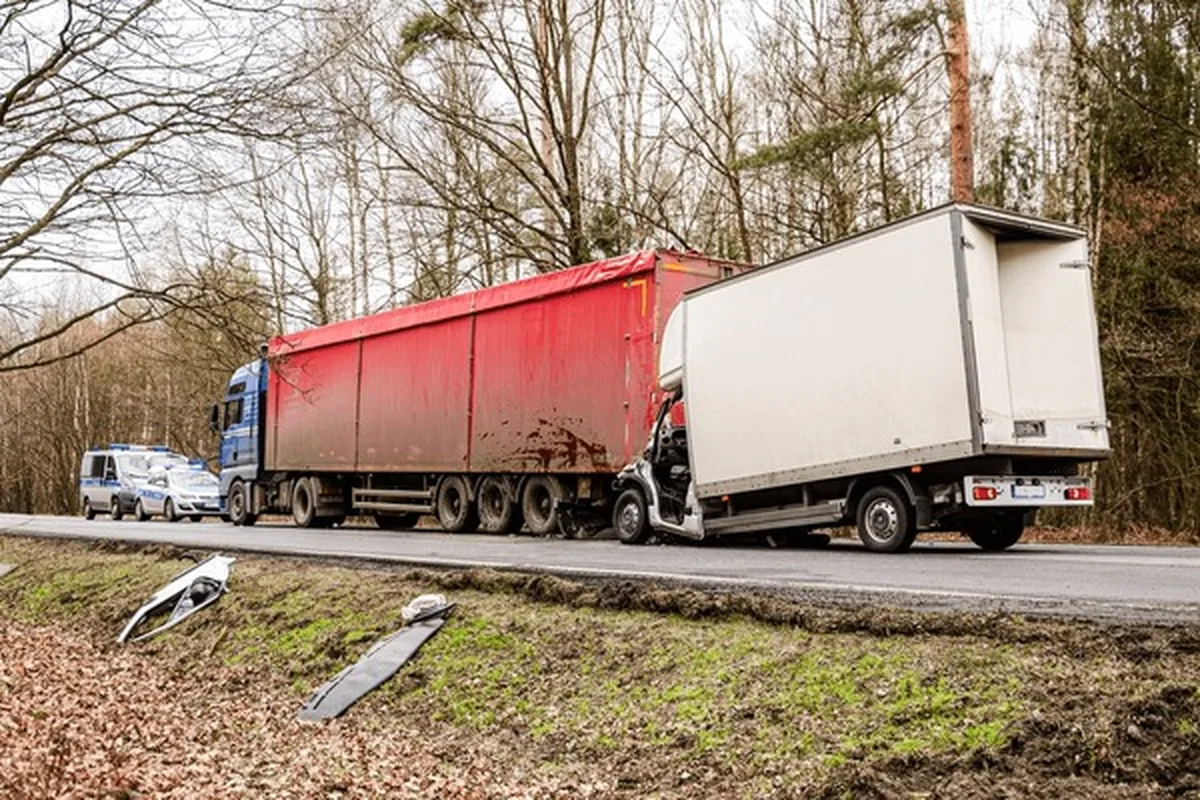
A single-truck accident usually involves one commercial truck that crashes into a fixed object, leaves the roadway, or overturns without colliding with another moving vehicle. Investigators focus on the events that caused the driver to lose control.
Common factors include:
Driver negligence: Speeding, distracted driving, fatigue, or failing to adjust to weather and road conditions.
Mechanical problems: Brake failure, worn tires, steering defects, or inadequate vehicle maintenance.
Improper cargo loading: Unsecured or unevenly distributed cargo can shift and affect the truck's stability.
Unsafe road conditions: Poor pavement, missing signs, or dangerous construction areas may contribute to a crash.
The trucking company may also share responsibility if it ignored maintenance problems, failed to train the driver properly, or allowed an unsafe vehicle onto the road. A maintenance contractor, cargo-loading company, or vehicle manufacturer may also be responsible when its actions contributed to the accident.
How Fault Is Determined in Multi-Vehicle Accidents
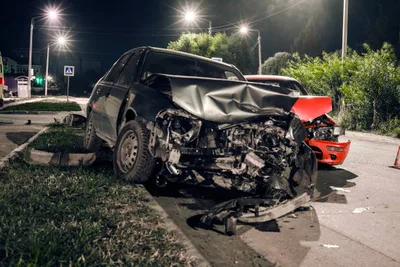
Multi-vehicle accidents require a broader investigation because several drivers may have contributed to the collision. Investigators must establish the order of impacts and determine whether each driver's actions helped cause the crash.
For example, a truck driver may follow another vehicle too closely and fail to stop in time. The initial collision may push the first vehicle into another car, creating a chain reaction. However, if another driver was speeding or following too closely, that driver's conduct may also affect the final allocation of fault.
Investigators commonly review vehicle damage, skid marks, debris, traffic camera footage, dashcam recordings, witness statements, and electronic truck data. They may also examine driver logs, maintenance records, and cellphone records when those materials are relevant.
Comparing Single-Truck and Multi-Vehicle Accident Claims
Main investigation
Single-Truck Accident: Why the truck lost control or struck an object
Multi-Vehicle Accident: How each vehicle contributed to the collisionPotentially responsible parties
Single-Truck Accident: Truck driver, trucking company, manufacturer, or maintenance provider
Multi-Vehicle Accident: Truck driver, other motorists, trucking company, or additional third partiesImportant evidence
Single-Truck Accident: Driver records, maintenance history, cargo details, and road conditions
Multi-Vehicle Accident: Vehicle positions, impact patterns, footage, witness accounts, and truck dataFault assessment
Single-Truck Accident: Often centers on one primary event
Multi-Vehicle Accident: May involve several parties and different percentages of responsibilityClaim complexity
Single-Truck Accident: Depends on the cause and available evidence
Multi-Vehicle Accident: Often increases when multiple drivers and insurers are involved
How Texas Law Handles Shared Responsibility
Texas follows a proportionate responsibility system under Chapter 33 of the Texas Civil Practice and Remedies Code. This law allows responsibility to be divided among parties according to their contribution to an accident.
Under Section 33.001, an injured person generally cannot recover damages if their percentage of responsibility is greater than 50%. If their responsibility is 50% or less, their recoverable damages are reduced by that percentage under Section 33.012.
For example, if a driver suffers $100,000 in damages and is found 20% responsible, the amount is generally reduced to $80,000. In a multi-vehicle accident, the factfinder may assign different percentages to the truck driver, other motorists, and additional responsible parties.
Pro Tip: Write down the sequence of events while your memory is fresh. In a multi-vehicle crash, recording which vehicle struck another first can help investigators understand how the collision developed.
FAQs
1. Is the truck driver always responsible for a single-truck accident?
No. Mechanical failures, unsafe cargo, poor road conditions, or another party's negligence may have contributed to the crash. Investigators must examine the available evidence before assigning responsibility.
2. Can more than one driver be responsible for a multi-vehicle accident?
Yes. Several drivers may share responsibility if their actions contributed to the collision. Texas law allows fault to be divided according to each party's percentage of responsibility.