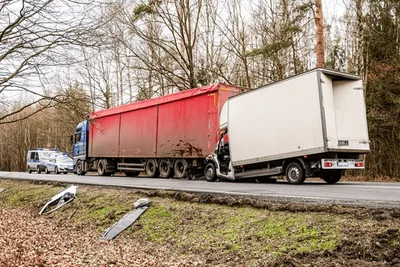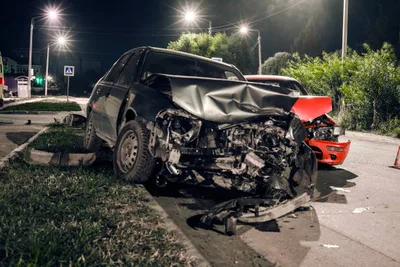

The main difference between a single-vehicle crash and a multi-car collision is how responsibility is determined. A single-vehicle crash may involve driver negligence, dangerous road conditions, or vehicle defects. A multi-car collision usually requires identifying which drivers contributed to the impacts.
Lafayette is a city located along the Vermilion River in southern Louisiana. Due to the city's suburban sprawl and limited public transit options, personal vehicles are a necessity for many residents. This reliance on cars also increases daily exposure to traffic-related risks.
Louisiana follows comparative fault rules, meaning responsibility can be shared. If you need legal assistance in Lafayette after an accident, understanding how liability is determined can help you evaluate your options.
Single-Vehicle Crash vs. Multi-Car Collision: Key Differences
Vehicles involved
Single-Vehicle Crash: One
Multi-Car Collision: Two or moreMain liability question
Single-Vehicle Crash: Did the driver or another factor cause the crash?
Multi-Car Collision: Which drivers contributed?Other responsible parties
Single-Vehicle Crash: Manufacturers, contractors, or government entities
Multi-Car Collision: Multiple drivers or employersInsurance
Single-Vehicle Crash: Often involves the driver's own coverage
Multi-Car Collision: May involve several policies
What Is a Single-Vehicle Crash and How Does Liability Work?
A single-vehicle crash occurs when a vehicle leaves the road, overturns, or hits an object without colliding with another vehicle. Examples include hitting a tree, striking a guardrail, or losing control after encountering a pothole.
The driver may be responsible, but a dangerous road condition, defective vehicle part, faulty repair, or another driver's actions may also contribute.
What Happens During a Multi-Car Collision?
A multi-car collision involves two or more vehicles and may create a chain reaction. Rear-end crashes, sideswipes, and intersection collisions are common examples.
Several drivers may share fault. One might follow too closely, another might change lanes improperly, and a third might be speeding. Investigators must determine how each person's conduct contributed to the crash.
What Are the Pros and Cons of Each Liability Investigation?
Single-Vehicle Crash
Potential advantages:
Road hazards and vehicle defects can be investigated.
Evidence may identify a responsible third party.
Potential challenges:
The driver may initially be presumed responsible.
Proving another party's negligence may require technical evidence.
Multi-Car Collision
Potential advantages:
Multiple insurance policies may apply.
Evidence may establish responsibility across several drivers.
Potential challenges:
Insurers may dispute each driver's share of fault.
Conflicting accounts can complicate the investigation.
Single-Vehicle Crash vs. Multi-Car Collision: A Practical Example
Suppose a driver loses control after hitting a large pothole. Investigators may examine the driver's speed and the road's condition to determine whether another party contributed.
In a three-car collision, one driver might stop suddenly, another might follow too closely, and a third might be speeding. Each driver's responsibility must be evaluated.
Which Liability Rules Apply to Your Situation?
Under La. Civ. Code art. 2323, Louisiana requires fault to be allocated among everyone who caused or contributed to a loss, including people who are not parties to a lawsuit.
provides traffic-law definitions that may help determine whether a driver's conduct violated an applicable traffic rule.
Frequently Asked Questions
Can another party be liable in a single-vehicle crash?
Yes. Road hazards, vehicle defects, or another driver's actions may contribute.
Can multiple drivers share fault?
Yes. Louisiana law allows responsibility to be divided among contributing parties.
Is a police report final proof of liability?
No. Other evidence may also determine responsibility.
Key Takeaways
Single-vehicle crashes may involve driver negligence or outside factors; multi-car collisions may involve several drivers.
Louisiana uses comparative fault to divide responsibility.
An injured person who is at least 51% at fault cannot recover damages.
Police reports, photographs, and witness statements can help establish liability.
Insurance claims may involve different policies depending on the crash.
Gather evidence, seek medical care, and report the accident quickly.