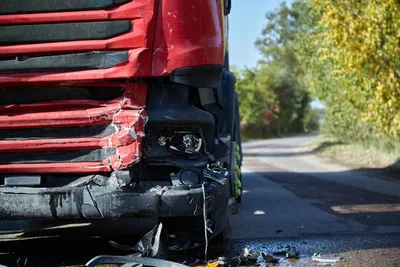

Truck crashes often occur near highway entrance and exit ramps because these areas bring together merging vehicles, changing speeds, tight curves, and sudden traffic backups. Large trucks need more room to accelerate, brake, and turn than passenger cars, so small mistakes at ramps can quickly lead to serious collisions. The exact cause depends on the sequence of events, not simply where the impact occurred.
Windsor, Colorado, sits near major regional routes, including Interstate 25 and Colorado Highway 392, where local and through traffic may meet. The town’s growing residential and commercial areas also bring passenger vehicles into contact with delivery trucks and other commercial traffic on roads connecting nearby communities.
Drivers navigating these connections may watch for changing traffic patterns and ramp queues. In a collision involving a commercial truck, a top-rated truck accident attorney serving Windsor, CO, may assess the evidence and applicable law.
Why Are Entrance and Exit Ramps High-Risk Areas?
Ramps are transition zones: drivers leave one traffic pattern and enter another within a short distance. Federal Motor Carrier Safety Administration data for 2021 recorded 24 fatal large-truck crashes at entrance or exit ramps and 60 more classified as ramp-related; the figures show that these crashes occur, though most large-truck fatal crashes happened elsewhere (FMCSA).
Sudden Speed Changes and Hard Braking
Traffic can slow sharply when drivers approach an exit, miss a turn, or encounter a queue. A loaded truck needs considerably more distance to stop than a passenger car, so following too closely or braking late can cause a rear-end crash. Safe spacing and steady speed reduce this risk.
Merging Traffic and Limited Acceleration
Vehicles entering a highway may match faster traffic while finding a safe gap. Heavy trucks may take longer to accelerate, and drivers in nearby cars may misjudge the space a truck needs or cut in front of its cab. Unsafe lane changes can lead to sideswipes or force sudden braking.
Curves, Rollover Risks, and Load Stability
Some ramps curve tightly or descend steeply. A truck entering a curve too fast can shift its cargo and raise the risk of a rollover, particularly when the load is high, uneven, or unsecured. Drivers should follow posted advisory speeds and account for cargo weight, road grade, and weather.
Large Blind Spots Around Trucks
There are blind spots on commercial trucks next to the cab, on both sides of the trailer, just behind it, and close to the front. A car lingering there may be hard for the truck driver to see, especially while traffic merges. Motorists should avoid riding beside a trailer and pass only when there is room to do so safely.
Congestion, Distraction, and Rushed Decisions
Ramp traffic often bunches up during busy periods, leaving little time to respond. A distracted driver may miss brake lights, while a frustrated motorist may cross solid lines or dart into a gap. Truck drivers may also monitor mirrors, signs, speed, and following distance without making abrupt moves.
Road Design, Weather, and Legal Responsibility
Short acceleration lanes, obstructed sightlines, unclear signs, standing water, and icy pavement can make merging or turning more difficult. Federal and state safety rules may apply to commercial drivers and carriers, but a crash alone does not establish who is legally at fault. Investigators consider driver conduct, vehicle condition, road maintenance, cargo securement, and other evidence in accordance with the relevant law.
What Should Be Examined After a Ramp Crash?
Preserve photographs, witness details, the police report, and medical records when available. Investigators may review truck electronic data, inspection and maintenance records, dispatch communications, roadway footage, and cargo documents to reconstruct events. Defective brakes or tires may matter, but their role may be supported by evidence rather than assumed.
In Summary
Ramps combine merging, braking, and turning in limited space.
Trucks need longer stopping distances and wider turning room.
Blind spots make nearby lane changes especially risky.
Curves, heavy loads, congestion, and poor weather can worsen hazards.
Ramp design or vehicle defects may contribute, depending on the facts.
Liability depends on evidence and applicable federal and state law.