

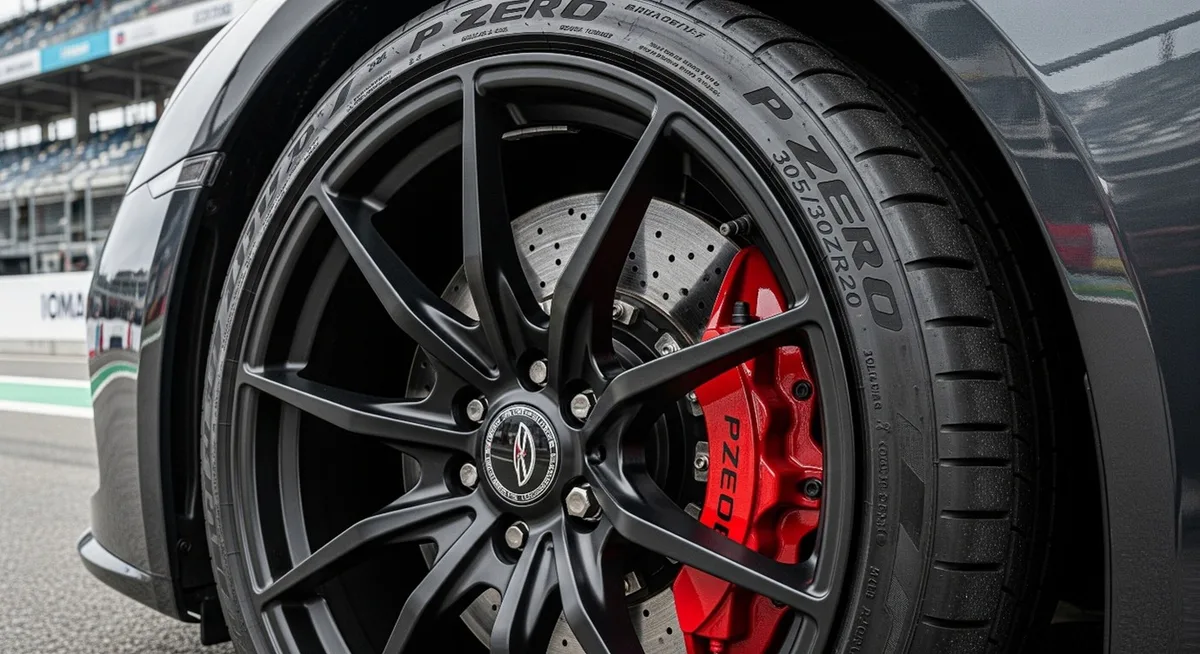
According to Research Intelo, the global wheels and tires market size reached USD 230.8 billion in 2024, reflecting robust demand across automotive, aerospace, agriculture, and construction sectors. The market is experiencing a steady expansion, driven by technological advancements and rising vehicle production, and is projected to grow at a CAGR of 6.2% from 2025 to 2033. By the end of 2033, the global wheels and tires market is forecasted to attain a value of USD 397.1 billion. This growth is underpinned by increasing consumer preference for advanced materials, the proliferation of electric vehicles, and expanding infrastructure projects worldwide.
The global wheels and tires market has witnessed a significant transformation over the past decade, driven by technological innovations, evolving consumer preferences, and a rising focus on performance, aesthetics, and sustainability. With increasing demand for personal mobility, commercial transportation, and the growing adoption of electric vehicles (EVs), the market is experiencing dynamic shifts that are redefining traditional concepts in automotive components.
Key Market Drivers
Rising Automotive Production and Sales
One of the primary drivers of the wheels and tires market is the consistent growth in global automotive production. Countries like China, India, the U.S., and Germany are witnessing robust demand for both passenger and commercial vehicles, fueling the need for high-quality wheels and tires.
Technological Advancements
The integration of smart tire technologies, such as pressure monitoring systems (TPMS), self-inflating tires, and tires with embedded sensors, is revolutionizing the market. These innovations enhance safety and performance while providing real-time data for predictive maintenance. Moreover, lightweight alloy wheels are becoming increasingly popular due to their strength and fuel efficiency benefits.
Shift Toward Sustainability
As environmental concerns mount, tire manufacturers are investing in eco-friendly raw materials, recycling techniques, and low rolling resistance tires to reduce carbon footprints. Sustainable rubber sourcing, coupled with biodegradable materials and circular economy initiatives, are becoming key strategies for market players.
Challenges in the Market
Despite its growth trajectory, the wheels and tires market faces several challenges. Volatile raw material prices, particularly natural rubber and synthetic compounds, can impact production costs. Additionally, stringent government regulations regarding tire labeling and performance standards vary across regions, creating complexities for global manufacturers.
Opportunities for Growth
Electric and Autonomous Vehicles
The rapid adoption of electric vehicles (EVs) and the emergence of autonomous driving technologies present new opportunities for wheel and tire manufacturers. EVs demand tires with low rolling resistance, reduced noise, and enhanced durability due to heavier battery loads. Similarly, autonomous vehicles require specialized tires equipped with advanced sensors to ensure optimal connectivity and safety.
E-Commerce and Digitalization
The digital revolution is transforming how consumers purchase tires. Online platforms and mobile apps allow users to compare brands, access reviews, and schedule installations with ease. This shift to digital channels is reshaping distribution models and creating new touchpoints for customer engagement.
Competitive Landscape
Prominent companies operating in the market are:
- Bridgestone Corporation
- Michelin Group
- Goodyear Tire & Rubber Company
- Continental AG
- Sumitomo Rubber Industries
- Pirelli & C. S.p.A.
- Yokohama Rubber Company
- Hankook Tire & Technology
- Toyo Tire Corporation
- Cooper Tire & Rubber Company
- Nexen Tire Corporation
- Kumho Tire Co., Inc.


