
When a driver causes a chain-reaction collision and leaves the scene, the incident may become a hit-and-run case, exposing the driver to criminal penalties and potential civil liability. Investigators must determine how the crash occurred, identify the driver, and establish who was responsible for the resulting injuries and property damage. For injured victims, the driver's departure can complicate the claims process, but it does not automatically prevent them from seeking compensation.
In busy traffic, distracted driving accidents can trigger a series of impacts in seconds. A driver looking at a phone, failing to notice slowing vehicles, or reacting too late may strike one car and push it into others. When that driver then leaves without providing required information or assistance, victims may face additional challenges while trying to establish what happened.
How a Chain-Reaction Collision Develops
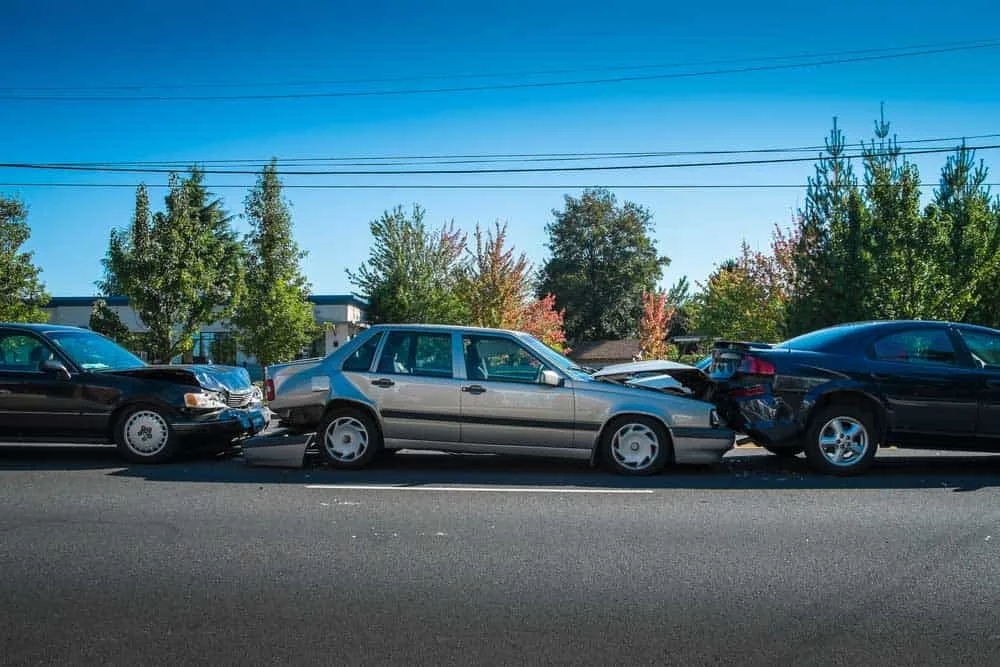
A chain-reaction collision occurs when one impact causes additional vehicles to crash. For example, a distracted driver may rear-end a stopped vehicle, forcing it into the car ahead. That second impact can set off further collisions involving several motorists.
Determining responsibility requires more than identifying the vehicle that made the first contact. Investigators may examine vehicle positions, braking marks, damage patterns, road conditions, traffic signals, and witness statements. In some cases, more than one driver may have contributed to the crash.
Leaving the scene does not automatically establish that the departing driver caused every impact. Evidence must still connect the driver's actions to the collision and the resulting harm.
Legal Consequences of Leaving the Scene
Drivers generally have legal duties after a crash, including stopping, providing required identifying and insurance information, and offering reasonable assistance when someone is injured. The precise obligations depend on the jurisdiction and circumstances.
A driver who flees may also face civil liability for injuries and losses caused by negligent driving. However, criminal responsibility and civil responsibility are separate matters. A criminal case may focus on violations of the law, while a personal injury claim addresses whether the driver's conduct caused compensable harm.
Evidence That Can Help Identify the Driver
When the responsible motorist disappears, prompt evidence collection can be especially valuable. Victims should seek medical attention first and avoid putting themselves in danger while documenting the scene.
Useful evidence may include:
Witness accounts: Other motorists, passengers, pedestrians, and nearby residents may have seen the vehicle or recorded its details.
Dashcam and surveillance footage: Cameras in vehicles, parking lots, or nearby businesses may capture the collision or the departing car.
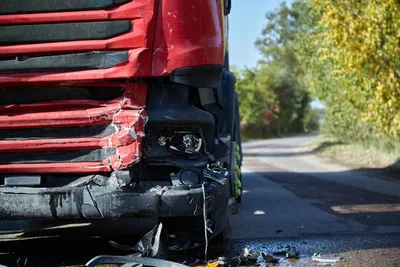
Vehicle debris: Broken lights, paint transfer, and other fragments may help investigators identify the vehicle involved.
Photographs and damage records: Images of vehicle positions, visible damage, and road conditions can help reconstruct the sequence of impacts.
Police reports: Officers may document witness statements, physical evidence, and information gathered during the investigation.
Anyone who witnesses a hit-and-run should report it promptly and provide factual details, such as the vehicle's color, make, direction of travel, or partial license plate number.
Compensation Options for Injured Victims
A fleeing driver may eventually be identified and pursued through a liability claim. If the driver cannot be found or lacks adequate insurance, victims may need to review their own insurance coverage. Depending on the policy and state law, uninsured motorist coverage may help with certain injuries caused by a hit-and-run driver. Collision coverage may help pay for vehicle repairs, subject to policy terms and deductibles.
Victims should preserve medical bills, repair estimates, wage-loss records, and communications with insurers. Reporting deadlines and insurance notice requirements can affect available options, so delaying action may create unnecessary difficulties.
Key Takeaways
A chain-reaction crash can involve several vehicles and multiple contributing factors.
Leaving the scene may lead to criminal penalties and civil liability.
Investigators use witnesses, footage, vehicle debris, and physical evidence to reconstruct the collision.
Victims may have insurance options even when the driver cannot be identified.
Prompt medical care, reporting, and evidence preservation can help protect a victim's claim.