

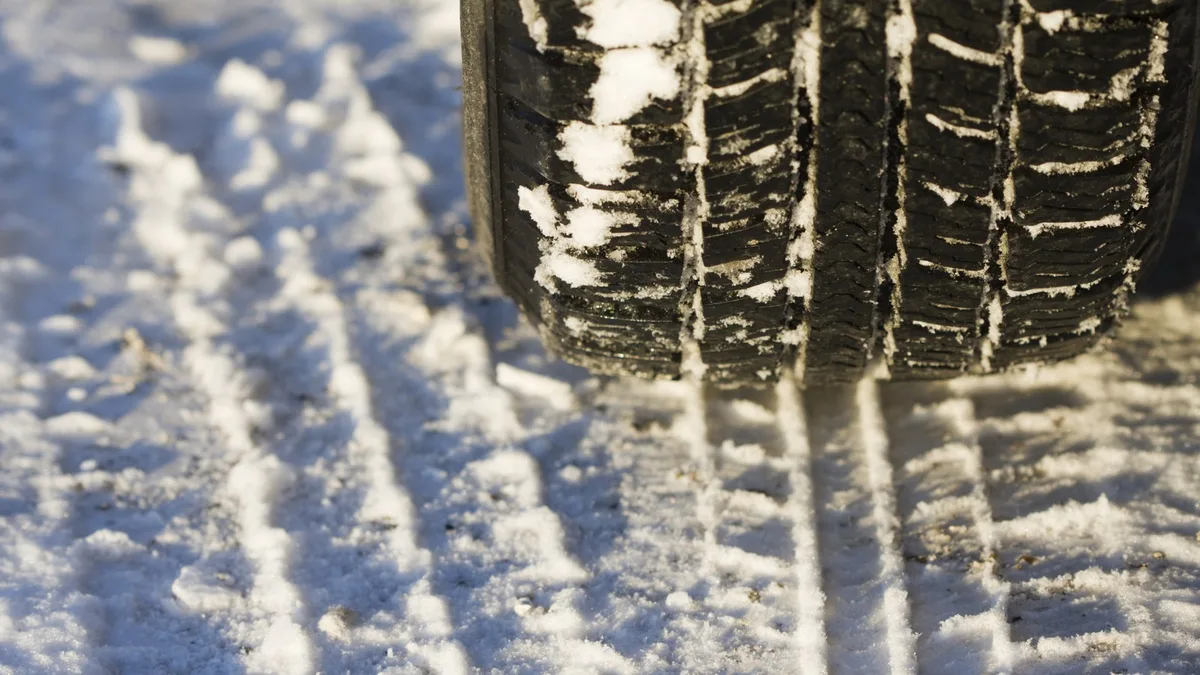
Four in five Canadian motorists say winter tires are more important than ever as winter weather grows harder to predict, according to a new Abacus Data survey commissioned by the Tire and Rubber Association of Canada. TRAC released the findings from Toronto on November 9, 2026.
The same share of drivers, 80 percent, plan to equip their vehicles with winter tires this season. Among drivers who do not use winter tires, 64 percent still believe all-season tires are good enough, down 11 points from 2025, while 35 percent say they are reducing winter driving, up 11 points.
Safety Value and Cost Pressure
Most drivers, 86 percent, say winter tires remain an important investment despite rising living costs. At the same time, 38 percent cite higher living costs as a reason for not buying them.
Among winter-tire users, 83 percent say the tires have saved them from a collision or loss of control. Protecting family through better traction, cornering and stopping in cold weather is the top purchase reason at 67 percent. Other cited reasons include lower insurance premiums (26 percent), advice from family and friends (21 percent), retailer advice (14 percent) and a provincial mandate (42 percent).
"With winter weather becoming harder to predict across Canada, choosing the right tires for the winter season is an important part of preparing for the road ahead," said Carol Hochu, president and CEO of TRAC. "Winter tires provide the traction and control drivers need in all winter conditions, whether they encounter cold, dry pavement, rain, snow, slush or ice."
"Even as living costs climb, most Canadians are making winter tires a purchasing priority," Hochu said.
Regional Usage
Reported winter-tire usage by region:
Atlantic Canada: 86 percent
Ontario: 77 percent
Manitoba and Saskatchewan: 74 percent
Alberta: 75 percent
British Columbia: 65 percent
Quebec was not listed in the survey release.
3PMSF, Tire Choices and Cost Calculator
TRAC recommends shoppers look for the Three-Peak Mountain Snowflake (3PMSF) symbol, which verifies that a tire meets or exceeds Transport Canada's minimum snow traction threshold. Drivers can choose all-season tires, all-season tires with 3PMSF, or dedicated winter tires. TRAC notes that all-season traction drops when temperatures fall below 7 degrees C, and that dedicated winter tires remain the safest choice for Canadian winter conditions.
TRAC also points drivers to its Winter Tire Cost Calculator to compare the cost of one set of tires versus adding a dedicated winter set, with or without extra wheels. Additional consumer guidance is available on TRAC's why winter tires page and at Be Tire Smart.
Survey Methodology
Abacus Data conducted an online survey of 1,232 Canadian drivers between October 16 and 21, 2026, using an online panel. A probability sample of that size yields a margin of error of +/- 2.79 percent, 19 times out of 20.
The full release is posted on the TRAC newsroom.