

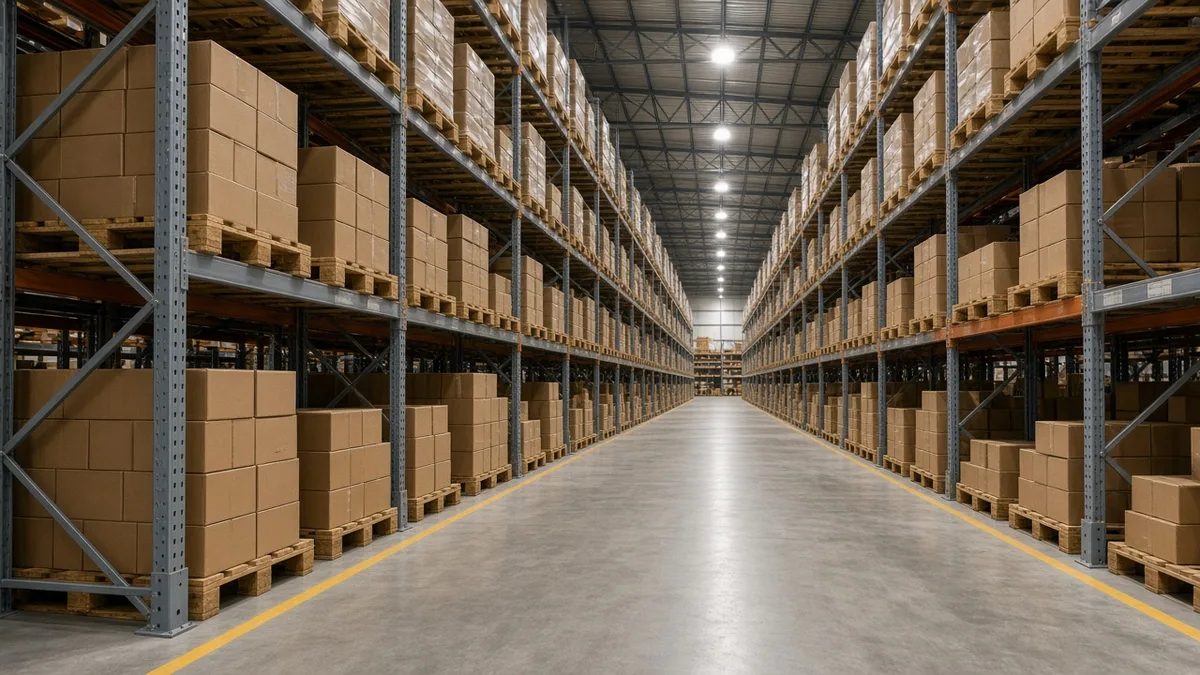
Peak seasons can put considerable pressure on warehouse operations as rising order volumes demand more space for incoming stock. When storage areas reach capacity, overcrowded aisles and inefficient product placement can disrupt daily workflows. As a result, warehouse teams in New Zealand may struggle to retrieve goods quickly, leading to fulfilment delays and higher operating costs.
Managing these challenges starts with making better use of the space already available. Rather than relying on temporary storage arrangements, businesses need a layout that can accommodate seasonal fluctuations without restricting access to inventory. This is where investing in pallet racking in NZ can make a meaningful difference.
The right configuration and technical solutions can improve storage efficiency and help businesses maintain smooth operations during their busiest periods. Here’s how:
1. Maximises Vertical Space and Storage Capacity
One of the main advantages of a well-chosen and well-thought-out pallet racking system is its ability to maximise vertical warehouse space. Instead of relying solely on floor-level storage, businesses can use the available building height to accommodate additional pallets.
High-density configurations, such as drive-in pallet racking, allow forklifts to enter storage lanes and place pallets several positions deep. The arrangement reduces the number of aisles needed, thereby creating more room for storing large quantities of similar products. Double-deep pallet racking achieves a similar space-saving benefit by positioning pallets two deep instead of one on each side of an aisle. This allows warehouses to accommodate more stock within the same floor area, although forklifts with extended-reach capabilities are needed to access pallets stored at the back.
2. Improves Inventory Organisation and Product Accessibility
A well-designed pallet racking system improves inventory organisation by assigning specific storage locations based on product characteristics and retrieval frequency. This allows warehouse teams to maintain a logical arrangement of stock, making it easier to locate and access goods as inventory volumes increase during peak seasons.
For example, placing fast-moving products closer to picking and dispatch areas can simplify retrieval and reduce unnecessary forklift travel. Clear location labels and barcode identification also help employees find the correct pallets without spending additional time searching through storage areas.
3. Accelerates Picking and Order Fulfilment
As order volumes increase during peak seasons, warehouses need to retrieve and dispatch goods quickly to keep up with tighter delivery schedules. However, inefficient storage layouts can slow down these processes, particularly when forklifts must navigate congested aisles or travel unnecessary distances between storage locations.
A strategically designed pallet racking system layout helps address these challenges by providing suitable aisle widths and positioning frequently requested products within easy reach. This allows the warehouse personnel to move between storage areas more efficiently, reducing the time spent locating and retrieving pallets.
4. Strengthens Inventory Control and Stock Rotation
Managing inventory becomes more challenging during peak seasons as stock arrives and moves through the warehouse more frequently. A well-organised pallet racking system makes this process easier by assigning designated storage locations to different products. With each pallet stored in an identifiable position, warehouse teams can locate stock more accurately and monitor inventory movements without relying on time-consuming manual searches.
This level of organisation also makes it easier to integrate storage locations with a warehouse management system. It provides a clearer view of stock availability by recording where pallets are stored and updating inventory records as goods are received or dispatched. Warehouse managers can then identify products running low and arrange replenishment before shortages disrupt order fulfilment.
The choice of racking configuration also determines the order in which pallets are stored and retrieved, making it important to match the system with the products' stock rotation requirements. For example, pallet flow racking uses slightly inclined roller tracks that allow pallets to move forward as stock is removed from the opposite end. This ensures that older inventory is retrieved first, following the first-in, first-out method. Such an arrangement is particularly useful for perishable goods or products with expiry dates.
Push-back racking, meanwhile, works differently. When a new pallet is loaded, it pushes previously stored pallets further back along the storage lane. As a result, the most recently loaded pallet is retrieved first, following the last-in, first-out method.
5. Enhances Warehouse Safety and Reduces Operational Costs
As warehouse activity intensifies during peak seasons, more forklift movements and frequent pallet handling can increase accident risk. A well-designed pallet racking system helps create a safer working environment by keeping goods securely stored and ensuring there is sufficient space for forklifts to manoeuvre without obstructing other warehouse activities.
Safety also depends on the durability of the racking system and how well it is installed. Racks constructed from high-quality steel and designed to withstand heavy loads and frequent handling can provide reliable structural support during demanding warehouse operations. Additionally, clearly displayed load ratings help workers avoid overloading storage structures, while protective barriers minimise damage from accidental forklift impacts.
Beyond improving safety, an efficient racking layout can help businesses control operating costs. When pallets are stored in accessible locations, workers spend less time moving goods or rearranging stock to reach the products they need. This reduces unnecessary handling, which can also lower the risk of product damage.
Adjustable racking systems offer further cost-saving potential by allowing businesses to modify storage configurations as inventory requirements change. Rather than investing in additional storage facilities during seasonal surges, warehouses can make more effective use of their existing space and resources.
Prepare Your Warehouse for Peak Season with Smarter Pallet Racking Solutions
Preparing for peak-season demand requires a proactive approach to warehouse storage rather than relying on temporary adjustments when space becomes limited.
Investing in a well-designed pallet racking system allows businesses to create a more adaptable warehouse environment that can respond to changing inventory requirements. Working with experienced providers of pallet racking services in NZ can help businesses develop storage solutions tailored to their facility's layout, handling equipment, and operational needs.
With the right storage infrastructure in place, warehouses in New Zealand can approach their busiest periods with greater confidence and fewer operational disruptions.