

Tire shops and fleet depots and all varieties of mobile service teams are dealing with tighter schedules and heavier workloads every year. Shops expand their services. Fleets add more vehicles. Remote sites need reliable on-site support. These shifts put pressure on workspace, storage, and weather protection. A permanent building is not always realistic when timelines are tight or when operations shift between locations. Temporary fabric structures are becoming a practical way for businesses to adapt without slowing down.
Seasonal demand pushes many operations beyond the limits of their existing facilities. A busy shop might need additional covered service bays for vehicles waiting on inspections or tire changes. A fleet depot might need secure space for large inventory spikes when winter or commercial contracts bring sudden surges. Temporary structures offer a flexible answer to each of these challenges.
Flexible Space Solutions
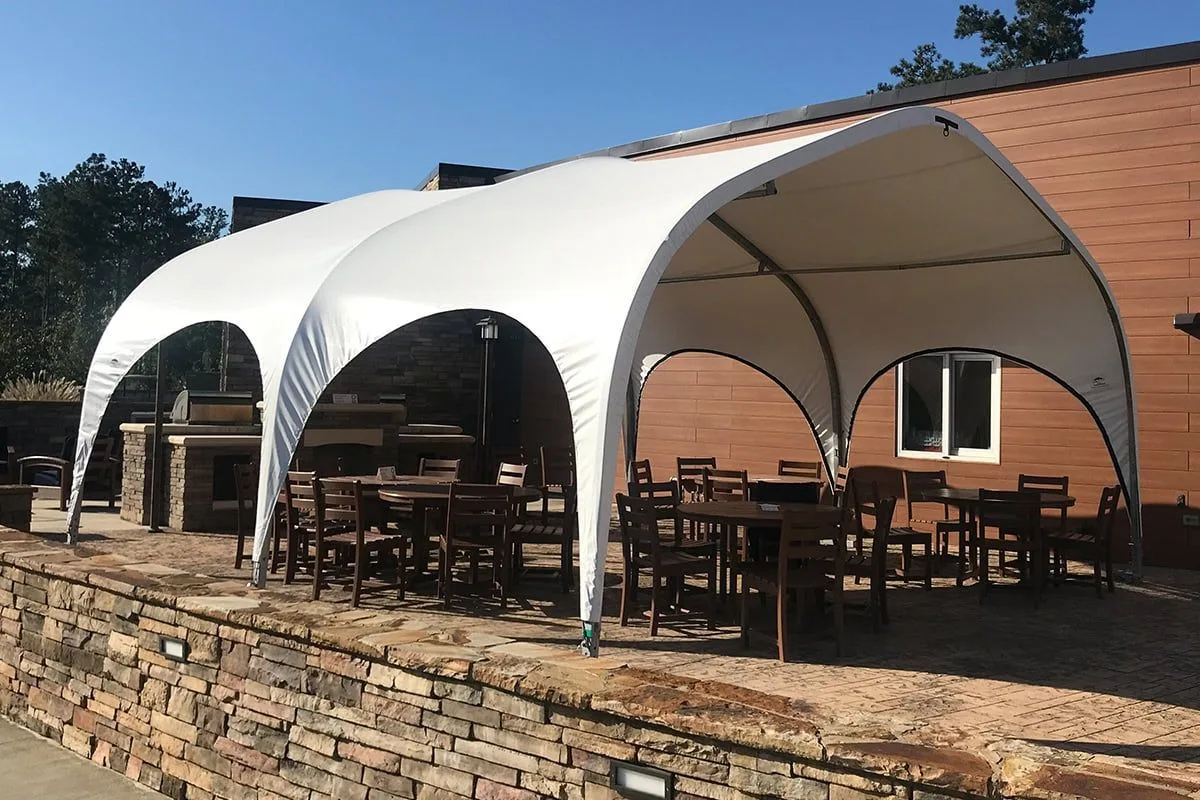
Temporary structures come in different forms, yet the ones designed for industrial environments carry a level of durability that matches the realities of tire service work. A rugged product brings engineered strength, weather resistance, and the ability to set up without foundations. And there’s hardly a better way to achieve this than to buy a Jubilee canopy. A canopy lets a business increase covered space quickly and position those structures exactly where they are needed. Operations working in mining, construction, agriculture, or remote fleet maintenance often rely on this flexibility to keep work moving without delays.
Covered work areas protect technicians from wind, rain, or heavy sun. Tire inspections, mounting, or balancing stay consistent because the environment remains stable. Outdoor work becomes more predictable when the elements are no longer dictating the pace.
Expanding Service Capacity Without Permanent Construction
Tire shops grow in cycles. There are months when demand jumps due to seasonal changes, fleet contracts, or regional conditions. A temporary structure can create an extra bay for urgent service, a sheltered area for customers waiting on repairs, or space for equipment that cannot sit in the open. Businesses gain the ability to scale up for peak months without taking on permanent construction costs.
Fleet depots benefit in similar ways. A structure positioned near loading or inspection areas shortens turnaround times for commercial vehicles. Technicians can work under cover, preventing downtime when weather closes in. Even smaller operations using mobile service trucks can position a temporary shelter at job sites to handle tire changes or inspections with fewer environmental risks. It makes sense for the customer, it makes sense for the people doing the work, and it makes sense on the bottom line.
Inventory Protection That Supports Tire Longevity
Tires respond to temperature and sunlight. Long exposure to heat or UV light can reduce performance and shorten lifespan. Moisture creates its own issues when storage is not controlled. A temporary structure helps maintain a consistent environment for tire inventory without requiring a dedicated warehouse. Businesses that deal with seasonal inflows or bulk deliveries often need this buffer space to handle large shipments safely.
Sheltered space also protects mounting machines, compressors, diagnostic equipment, and repair tools. These assets perform better and last longer when not exposed to harsh conditions day after day. A controlled workspace gives technicians a stable environment to work efficiently and reduces unexpected repair costs.
Remote Operations Need Reliable On-Site Structures
Industries that rely on remote support, such as mining or construction, work far from permanent facilities. Tire service crews operating on these sites need dependable shelter for inspections, repairs, and storage. A temporary structure offers a dependable footprint that can be moved, expanded, or anchored temporarily depending on location requirements.
The lack of foundation needs allows teams to set up quickly and start working without delays. These structures perform well on uneven ground, gravel, compacted soil, or any temporary pad. This versatility gives remote crews the ability to maintain consistent service quality even when conditions change.
Improving Workflow And Worker Safety
A well-designed structure does more than provide shelter. It helps streamline workflows. Vehicles can move through predictable lanes. Tools can be stored within reach. Lighting conditions stay consistent. Technicians avoid working through unpredictable weather which reduces fatigue and improves safety. Businesses also gain clearer visibility into how space is used, which helps refine processes over time.
Better workflow creates better productivity. Jobs are completed with fewer interruptions and vehicles return to service faster. The entire operation gains from a layout that is organised, protected, and adaptable.
A Practical Way To Meet Evolving Industry Demands
Temporary fabric structures are solving real operational gaps across the tire and fleet service industry. They give businesses the room to grow, the flexibility to shift with seasonal patterns, and the tools to work efficiently in challenging environments. Whether at a local shop, a regional depot, or a remote work site, adaptable shelter continues to support the industry’s push for reliability and faster service.


