

According to Research Intelo, the Global Smart Tire with Embedded Sensor market size was valued at $2.1 billion in 2024 and is projected to reach $7.8 billion by 2033, expanding at an impressive CAGR of 15.2% during the forecast period of 2025–2033. One of the major factors propelling this market’s growth globally is the increasing emphasis on vehicle safety and predictive maintenance, which is driving automotive manufacturers and fleet operators to adopt advanced tire technologies. The integration of embedded sensors in tires not only enhances real-time monitoring but also contributes to the broader vision of connected and autonomous vehicles, making smart tires an essential component in next-generation mobility solutions.
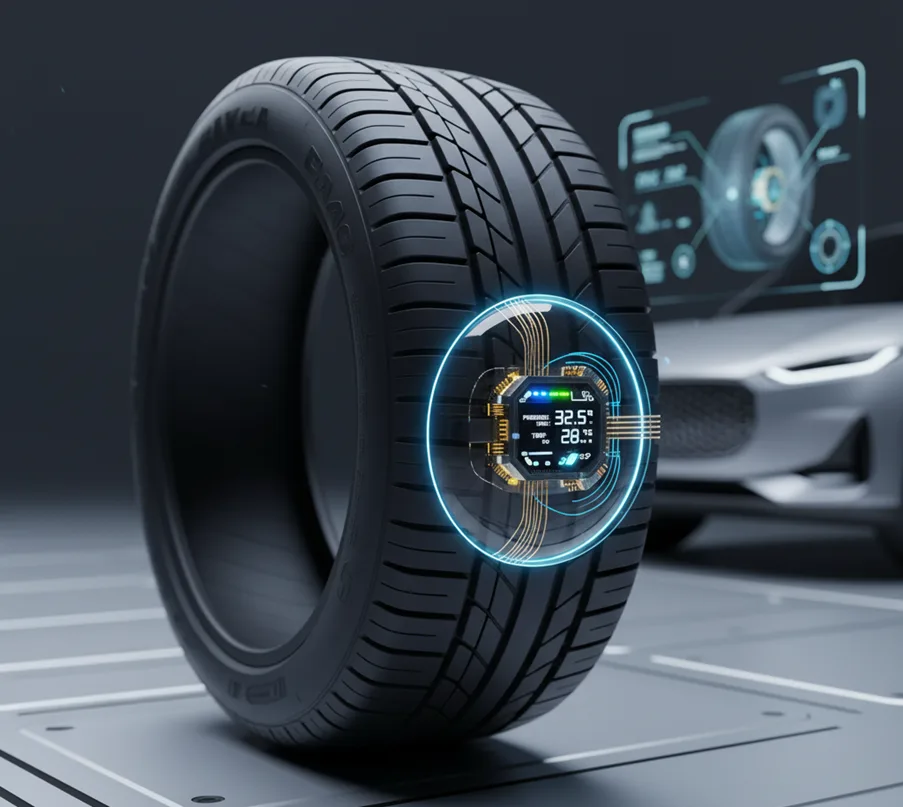
The Smart Tire with Embedded Sensor Market is gaining traction as the automotive industry shifts toward intelligent mobility and real-time vehicle diagnostics. These tires, integrated with advanced sensors, continuously monitor pressure, temperature, load, and tread wear, offering predictive insights that enhance safety, performance, and efficiency. The growing emphasis on connected vehicles, electric mobility, and autonomous systems is fueling the adoption of smart tire technologies worldwide.
Key Market Drivers
Rising Demand for Vehicle Safety
As road safety regulations tighten globally, smart tires with embedded sensors are becoming a key component of preventive maintenance and safety systems. Real-time monitoring helps prevent tire blowouts, reduce braking distances, and optimize handling critical for both passenger safety and logistics efficiency.
Growth of Connected and Autonomous Vehicles
The emergence of connected vehicles has increased the need for tire-based data integration. In autonomous vehicles, where the human driver’s role is limited, sensor-equipped tires become essential for maintaining traction, stability, and optimal performance. The tire’s ability to detect road surface conditions and share this data with the vehicle control system is a crucial enabler of autonomous driving safety.
Fleet Management Efficiency
Commercial fleets are adopting smart tires to improve operational efficiency and reduce downtime. Embedded sensors allow fleet managers to remotely monitor tire health, predict maintenance needs, and ensure optimal inflation levels reducing fuel consumption and extending tire lifespan.
Advancements in Sensor Technology and IoT Integration
The miniaturization of sensors and improvements in IoT connectivity have made smart tire systems more affordable and reliable. Many manufacturers now integrate MEMS (Micro-Electro-Mechanical Systems) sensors that can withstand extreme conditions while delivering accurate, real-time data.
Market Challenges
Despite their advantages, several challenges restrain widespread adoption. The high initial cost of smart tires, especially in budget vehicle segments, limits mass-market penetration. Additionally, concerns over data accuracy, cybersecurity, and compatibility with existing vehicle systems persist. Moreover, the durability of sensors in harsh road conditions and temperature variations remains an area for continued R&D investment.
Technological Innovations
The market is witnessing significant technological advancements that promise to redefine how vehicles interact with their tires:
- Self-Powering Sensors: Some systems use piezoelectric or energy-harvesting technologies to power sensors without external batteries, improving longevity.
- AI and Predictive Analytics: Machine learning algorithms analyze tire data trends to predict wear patterns, pressure loss, or imbalance long before failure occurs.
- Smart Tire Materials: Innovations in conductive rubber compounds allow the tire itself to act as a sensor, minimizing the need for separate embedded components.
- Cloud-Based Data Platforms: Manufacturers are developing cloud systems that aggregate tire data across fleets, providing insights into road conditions, usage trends, and performance optimization.
Future Outlook
The future of the smart tire market is closely aligned with the evolution of electric and autonomous vehicles. EVs demand tires with lower rolling resistance and enhanced data feedback systems to manage performance efficiently. Meanwhile, smart tire data will play a vital role in Vehicle-to-Everything (V2X) communication, where tire-generated information about road conditions can be shared across connected networks.
In the coming decade, innovations such as airless tires, real-time road surface detection, and blockchain-based tire life tracking are likely to redefine the market landscape. Sustainability will also become a key focus, with manufacturers exploring recyclable materials and sensor recovery techniques.
Competitive Landscape
Prominent companies operating in the market are:
- Bridgestone Corporation
- Continental AG
- Goodyear Tire & Rubber Company
- Michelin Group
- Pirelli & C. S.p.A.
- Sumitomo Rubber Industries Ltd.
- Hankook Tire & Technology Co., Ltd.
- Yokohama Rubber Company
- Nexen Tire Corporation
- Schrader Electronics (Sensata Technologies)
- Dunlop Tires
- Toyo Tire Corporation
- CEAT Limited
- JK Tyre & Industries Ltd.


