

Market Summary
As per latest research by Growth Market Reports, the global robotic tire retreading market size reached USD 1.48 billion in 2024, reflecting a robust expansion driven by technological advancements and heightened sustainability awareness. The sector is experiencing a compelling growth trajectory, registering a CAGR of 7.2% from 2025 to 2033. By the end of 2033, the market is forecasted to reach approximately USD 2.78 billion, underscoring the rapid adoption of automation and robotics in tire retreading processes. This growth is primarily fueled by increasing demand for cost-effective tire solutions, stringent environmental regulations, and the automotive industry's shift toward sustainable operations.
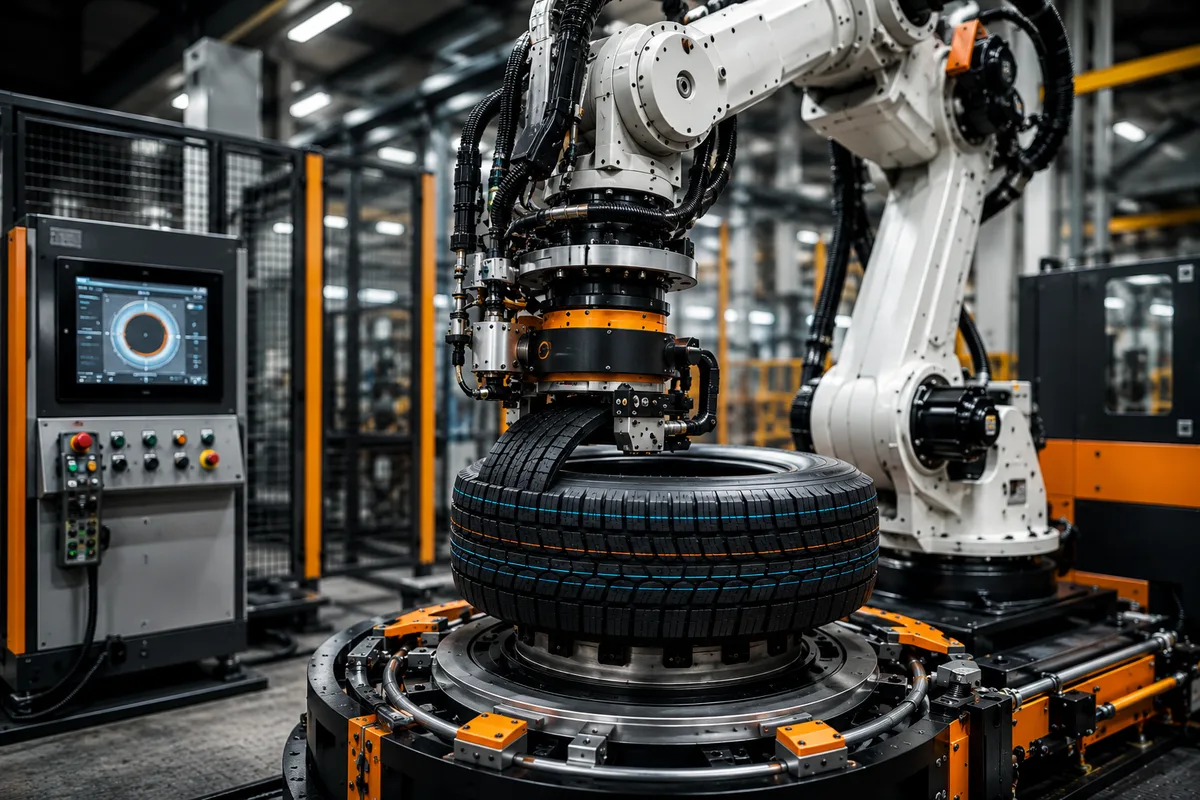
The robotic tire retreading market is emerging as a key segment within the automotive aftermarket industry, driven by rising demand for cost-efficient and sustainable tire solutions. The market growth reflects increasing adoption of automation in tire refurbishment processes and a global shift toward circular economy practices.
Market Drivers
Rising Demand for Cost-Effective Tire Solutions
One of the major drivers of the market is the increasing need for affordable alternatives to new tires. Fleet operators, logistics companies, and public transport providers are adopting retreaded tires to reduce operational costs without compromising performance. Robotic systems further enhance this value proposition by ensuring consistent quality and longer tire life.
Focus on Sustainability and Waste Reduction
Environmental concerns are playing a crucial role in market expansion. Tire manufacturing is resource-intensive, and discarded tires contribute significantly to environmental pollution. Robotic retreading supports sustainability by reducing tire waste and lowering raw material consumption. Governments and environmental agencies are also encouraging retreading practices through supportive regulations.
Advancements in Automation Technology
Technological innovations in robotics, artificial intelligence, and machine vision are revolutionizing the retreading process. Modern robotic systems can inspect tire conditions, detect defects, and apply precise tread patterns with minimal human intervention. This not only increases productivity but also improves safety and product reliability.
Market Challenges
Despite strong growth potential, the market faces certain challenges. High initial investment costs for robotic systems can be a barrier for small and medium-sized retreading facilities. Additionally, limited awareness in developing regions and resistance to adopting automated solutions may slow down market penetration. However, ongoing technological advancements are expected to gradually reduce costs and improve accessibility.
Opportunities
The robotic tire retreading market presents significant opportunities driven by the global push toward sustainable transportation and cost optimization in fleet operations. Rapid expansion of logistics, e-commerce, and commercial transportation sectors is creating strong demand for durable and affordable tire solutions, opening new avenues for automated retreading services. Emerging economies offer untapped potential due to rising vehicle ownership and growing awareness of retreaded tire benefits.
Technological Advancements
Technological advancements are playing a pivotal role in transforming the robotic tire retreading market, making the process more precise, efficient, and scalable. Modern systems increasingly integrate artificial intelligence, machine vision, and advanced sensors to inspect tire conditions with high accuracy, identifying defects such as tread wear, sidewall damage, and structural inconsistencies in real time. Robotics-enabled buffing, filling, and tread application ensure uniform quality while minimizing material waste and human error.
Competitive Landscape
- Marangoni S.p.A.
- Carlton Forest Group
- Rema Tip Top AG
- Goodyear Tire & Rubber Company
- Bridgestone Corporation
- Michelin Group
- Kal Tire
- Oliver Rubber Company (a Michelin subsidiary)
- Vipal Rubber
- Elgi Rubber Company Limited
Future Outlook
The future of the robotic tire retreading market looks promising, with increasing integration of smart manufacturing technologies and Industry 4.0 practices. As automation becomes more affordable and widely adopted, robotic systems are expected to become standard in modern retreading facilities. This will not only improve operational efficiency but also contribute significantly to global sustainability goals.
Source: https://growthmarketreports.com/report/robotic-tire-retreading-market


