

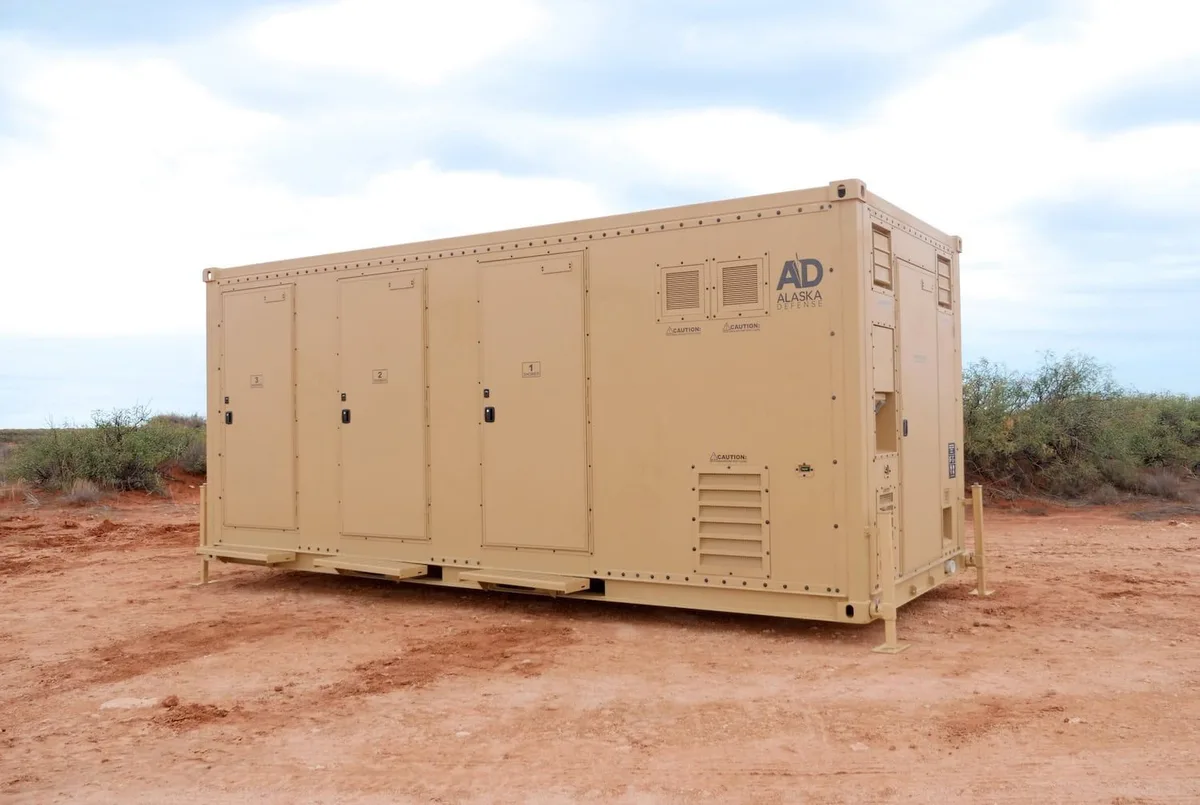
Industrial operations keep moving into tougher, more remote places. Companies in mining, energy, fleet services, construction, and emergency response need facilities they can trust. Ones that go up fast and actually work when conditions get rough. Out in these harsh, remote locations, traditional building methods are often too slow, too expensive, or just not practical. Modular infrastructure gives you a quicker, more flexible option. You can get your teams set up without waiting months or dealing with a logistical nightmare.
Harsh environments present unique challenges for companies managing field operations. Severe temperatures, high winds, unpredictable terrain, and limited supply lines can disrupt productivity within a single shift. Businesses need reliable on-site facilities to maintain continuity and keep workers safe. Modular, rapid-deploy structures are stepping into this role with technology that has advanced far beyond temporary tents or improvised shelters. Modern systems now offer durability, insulation, and stability that hold up to the demands of complex industrial work.
Many crews also deal with long travel times, limited access to spare parts, and a shortage of permanent support facilities. These pressures make it difficult to keep projects running on schedule. A dependable structure that can be delivered, assembled, and operational within days becomes a major advantage for teams facing unpredictable field conditions.
Rapid-Deploy Facilities Built For Hostile Conditions
Operations that face extreme conditions require infrastructure capable of meeting military-grade performance. This explains why many teams look at solutions such as a rigid wall shelter when selecting field facilities. These structures provide the strength of a permanent building with the mobility and setup speed of modular design. Their ability to withstand harsh climates allows companies to operate consistently even when weather conditions fluctuate or supply lines become strained.
Rapid-deploy shelters allow teams to build out command areas, equipment storage, break rooms, medical stations, or communication hubs without the need for foundations. This is especially valuable in regions where the soil is unstable or regulatory requirements slow down traditional construction. Industrial crews can adapt layouts based on operational demands, creating a workspace that grows or shifts as tasks evolve. A structure that can be relocated or reconfigured helps companies avoid costly downtime when priorities change.
Supporting On-Site Operations With Reliable Facilities
Field teams, including those handling equipment checks or tire service work, need dedicated space to store tools, run diagnostics, and manage administrative tasks. Modular structures give them room to organise operations in a stable environment regardless of outdoor conditions. Insulated walls protect workers from heat or cold, improving productivity during long shifts. Ventilation and climate control options keep sensitive equipment performing within safe ranges, which reduces failures linked to temperature swings or moisture.
Emergency response teams also benefit from modular designs. Rapid-deploy shelters can serve as command posts, triage stations, or supply hubs in areas affected by natural disasters. Their durability helps maintain safety even when the surrounding infrastructure has been damaged or destroyed. Response teams can set up quickly, coordinate with multiple agencies, and operate with the consistent shelter needed for long deployments.
Versatility For Industries That Depend On Mobility
Companies working across large geographic regions often move crews and equipment from site to site. Modular shelters provide a practical solution for operations that need to relocate frequently. Structures can be packed, transported, and rebuilt in new locations without specialised foundations or heavy machinery. This mobility supports exploration projects, seasonal contracts, and short-term construction phases where permanent buildings would be impractical.
Tire service crews working in remote industrial regions also depend on modular infrastructure to stay productive. These structures protect mounting equipment, create controlled spaces for inspections, and give technicians a stable environment for repairs during long deployments. Reliability matters when crews spend weeks or months supporting fleets far from conventional supply or workshop facilities.
Adaptation To Severe Weather And Climate Conditions
Harsh-environment worksites face constant pressure from extreme weather. Heat can damage equipment and strain workers. Freezing temperatures slow down workflows and create safety hazards. Strong winds threaten lighter structures and put personnel at risk. Modular shelters built with rigid panels, reinforced frames, and tested materials offer a safer and more controlled alternative that stabilises daily operations.
Industrial operations also face increasing climate unpredictability, which places pressure on supply lines and project timelines. A rapid-deploy shelter reduces reliance on external infrastructure by allowing teams to create dependable indoor environments wherever they work. This stability helps companies maintain consistent scheduling and avoid costly weather-related delays.
A Practical Shift Toward Efficiency And Resilience
Industrial leaders are recognising that success in remote and climate-intense regions depends on infrastructure that can be deployed quickly and survive in difficult conditions. Modular structures deliver this combination of speed, strength, and adaptability. Businesses use them to create workspaces that protect teams, support equipment, and maintain productivity when traditional construction is not viable.
A move toward modular, rapid-deploy facilities reflects a broader industry shift toward resilience. Companies want solutions that adapt to unpredictable conditions and help them stay operational through environmental challenges or shifting project demands. The reliability and versatility of advanced modular shelters make them an increasingly valuable part of modern field operations.


