
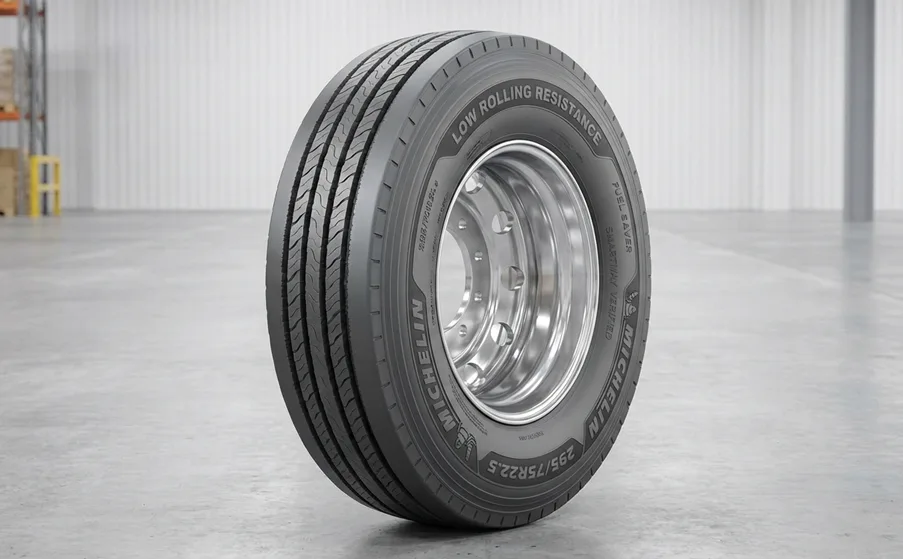
According to Research Intelo, the Global Low Rolling-Resistance Truck-Tire market size was valued at $6.2 billion in 2024 and is projected to reach $12.8 billion by 2033, expanding at a robust CAGR of 8.4% during the forecast period of 2024 to 2033. The primary factor driving the growth of the low rolling-resistance truck-tire market globally is the increasing emphasis on fuel efficiency and carbon emission reduction across the commercial transportation sector. As logistics companies and fleet operators face mounting pressure to reduce operational costs and comply with stringent environmental standards, the adoption of advanced tire technologies that minimize energy loss and enhance fuel economy has become a strategic imperative. This trend is further amplified by the growing awareness of total cost of ownership among fleet managers, who recognize the long-term savings and sustainability benefits associated with low rolling-resistance truck tires.
The global transportation landscape is rapidly evolving as sustainability, fuel efficiency and operational cost reduction become core priorities for fleet operators, manufacturers, and regulators alike. At the heart of this transformation lies the low rolling-resistance (LRR) truck-tire market a niche but pivotal segment of the broader commercial tire industry that promises to revolutionize how heavy-duty vehicles consume energy and impact the environment.
Key Market Drivers and Opportunities
Rising Fuel Costs and Fleet Economics
Fuel remains one of the largest expenses for truck fleets. By significantly lowering rolling resistance, these tires help reduce fuel consumption often by several percentage points per vehicle which cumulates to enormous savings across large fleets.
Environmental Sustainability Goals
With regulators worldwide tightening standards on greenhouse gas emissions, LRR tires are increasingly seen as a practical compliance technology. They contribute to lower carbon footprints and help fleets meet stringent environmental benchmarks without compromising performance.
Technological Innovation in Materials and Design
Advances in tire materials, such as silica-rich compounds and optimized tread designs, significantly reduce rolling resistance while preserving safety and durability. Computational design tools and smart manufacturing processes are also enabling continuous performance improvements.
Challenges Facing the Market
Cost Barriers
One of the biggest barriers to adoption remains the higher upfront cost of low rolling-resistance truck tires compared to traditional alternatives. While long-term savings are clear, some operators especially in cost-sensitive regions hesitate to make the initial investment.
Performance Trade-Offs
Concerns linger that reducing rolling resistance may negatively impact tire traction, wear life, or handling in certain conditions. Although technology is steadily mitigating these issues, these perceptions can slow adoption, particularly where safety remains a paramount concern.
Raw Material Volatility
The cost and availability of core inputs like natural rubber and synthetic polymers fluctuate widely, creating pricing pressure and supply challenges that can affect production costs and market prices.
Technological Trends Shaping the Future
Smart Tire Technologies
Connected tire systems equipped with sensors for pressure, temperature and wear metrics are on the rise. These smart solutions allow real-time monitoring, predictive maintenance, and better lifecycle management all of which further enhance efficiency and performance.
Advanced Materials and Sustainable Production
Research into sustainable materials including bio-based compounds and recycled elements aims to further reduce the environmental footprint of truck tires, aligning with broader industry decarbonization strategies.
Integration with Electric and Alternative Fuel Vehicles
As electric and hybrid commercial vehicles become more prevalent, specially optimized LRR tires are being developed to match the unique torque and efficiency needs of these platforms, improving range and performance.
Future Outlook
The future of the low rolling-resistance truck-tire market appears highly promising, driven by rising fuel efficiency demands, stricter emission regulations, and the global push toward sustainable logistics. Continued advancements in tire materials, smart tire technologies, and compatibility with electric and alternative-fuel trucks are expected to accelerate adoption. As production scales and costs gradually
decline, low rolling-resistance tires are likely to transition from a premium option to a standard choice for commercial fleets worldwide, supporting long-term efficiency and environmental goals.
Competitive Landscape
Prominent companies operating in the market are:
- Bridgestone Corporation
- Michelin Group
- Goodyear Tire & Rubber Company
- Continental AG
- Pirelli & C. S.p.A.
- Hankook Tire & Technology Co., Ltd.
- Yokohama Rubber Company
- Sumitomo Rubber Industries, Ltd.
- Cooper Tire & Rubber Company
- Apollo Tyres Ltd.
- Toyo Tire Corporation
- Nokian Tyres plc
- Kumho Tire Co., Inc.
Source: https://researchintelo.com/report/low-rolling-resistance-truck-tire-market


