

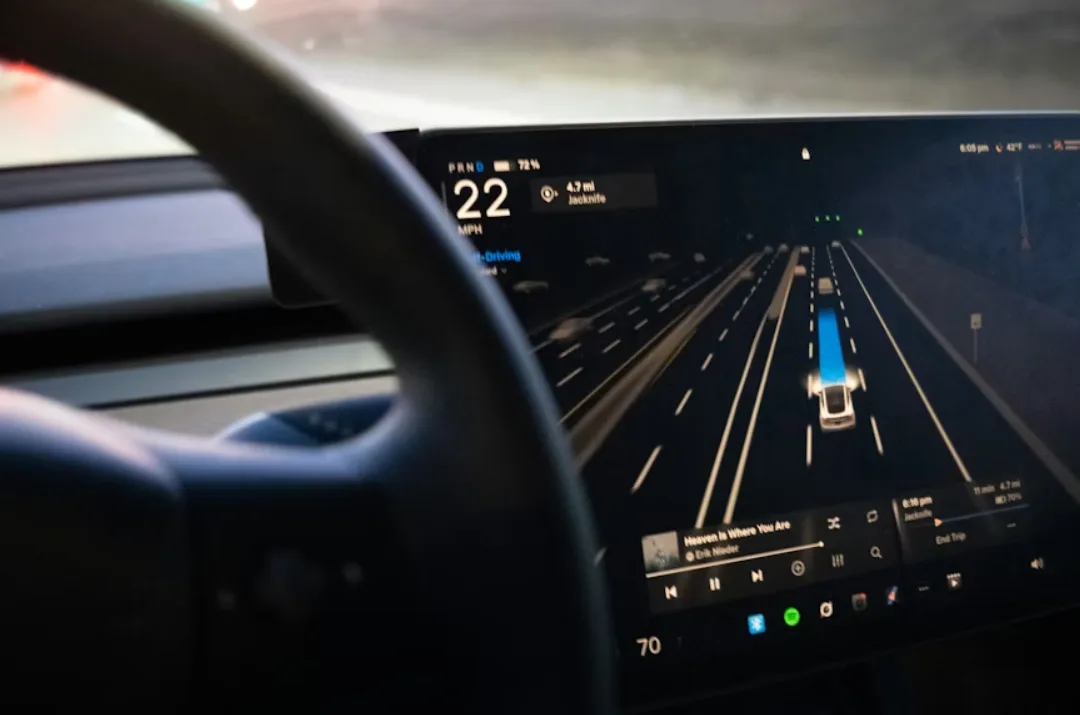
If you’re a car enthusiast, you’ve watched dozens of car reviews. The torque. The handling. The horsepower. Now those are what get you excited.
Iconic TV shows like Top Gear and Wheeler Dealers concentrated mostly on what’s under the hood and the luxury interior.
Driving technology has changed a lot over the past decade. Now the hosts chat about driver assistance systems. Doesn’t sound as enthralling, but then again, safety doesn’t have the same ring to it as performance.
What Are Driver Assistance Systems?
Also called ADAS (Advanced Driver Assistance Systems), these technologies are designed to help drivers stay safe on the road.
The tools don’t replace the driver. Instead, they add an extra layer of protection by monitoring the road and stepping in when something goes wrong.
Common Examples You Might Already Have
Many modern cars include features such as:
- Automatic emergency braking: Applies the brakes if the car detects a possible accident
- Lane departure warning: Lets you know if your car begins drifting out of its lane without signaling.
- Lane-keeping assist: Gently steers the vehicle back into the lane
- Blind-spot monitoring: Warns when another car is in your blind spot
- Adaptive cruise control: Adjusts speed to maintain a safe following distance
These systems rely on cameras, radar, sensors, and onboard computers to track what’s happening around the car. And in many situations, they can react faster than a human driver.
Do Driver Assistance Systems Actually Save Lives?
There’s growing evidence that these technologies can reduce crashes and injuries.
Research published in the National Library of Medicine found that ADAS are linked to lower crash rates and improved driver safety outcomes when used correctly.
Automatic braking and lane support can prevent accidents or reduce their severity when a driver reacts too slowly. Real-world testing also supports this idea.
An Australian study established that smart safety features reduced the likelihood of certain types of collisions, particularly rear-end crashes.
The technology isn’t perfect, but it can make a valuable difference.
Technology Helps, Yet It Can’t Replace Good Driving
Most drivers get lulled into a false sense of security when they get behind the wheel of their car. Even with smart systems onboard, crashes can happen.
Driver assistance features are designed to help, not take over completely. Human behavior remains one of the biggest causes of accidents. Speeding, distracted driving, fatigue, and poor decision-making continue to play major roles in road collisions.
Drivers face legal, medical, and financial challenges in the aftermath of a car wreck. Understanding your options and responsibilities can be important in those situations.
What to do after a car accident? Car crash victims are usually overwhelmed and confused. They need a voice of reason to steer them in the right direction. Lesser, Landy, Smith & Siegel suggest enlisting a car accident lawyer who will fight for fair compensation.
Experts emphasize that driver assistance systems should be treated as backup support, not autopilot. Drivers still need to stay alert and in control.
Why Do Many Drivers Turn These Systems Off?
You might assume that drivers would welcome any safety feature that could prevent accidents. Surprisingly, that’s not always the case.
UK studies show that many drivers disable their driver assistance systems after buying a car. In fact, research suggests that nearly half of drivers switch off certain safety features because they find them annoying or intrusive.
Other research highlights similar trends. Drivers report frustration with alerts, steering corrections, or constant warnings, which can feel distracting rather than helpful.
Common Reasons Drivers Disable Them
Drivers often turn off these systems because:
- The alerts feel too sensitive
- Steering assistance feels unnatural
- They don’t fully understand how the systems work
- They prefer full manual control
Ironically, turning off these features removes the safety net they were designed to provide.
How to Use Driver Assistance Systems Safely
If your car includes driver assistance features, the best approach is to learn how they work and use them properly. Used correctly, these systems can provide valuable extra protection.
A Few Practical Tips
Read the owner’s manual
Manufacturers design these systems differently.
Start slowly
Take time to get comfortable with alerts, steering assistance, or braking systems.
Don’t rely on them completely
Always keep your hands on the wheel and your attention on the road.
Keep sensors clean
Cameras and radar sensors can stop working properly if they’re covered by dirt, snow, or debris.
You’re Still the Driver
Driver assistance systems are not magic. They won’t eliminate every accident or replace responsible driving.
However, the evidence is clear: they can help reduce crashes and save lives. Automatic braking, lane assistance, and other smart safety tools act like a second set of eyes.
In critical moments, when a driver is distracted or reacts too slowly, they can step in and prevent a serious collision. But don’t forget that the technology works best when drivers understand it and keep it turned on.


