

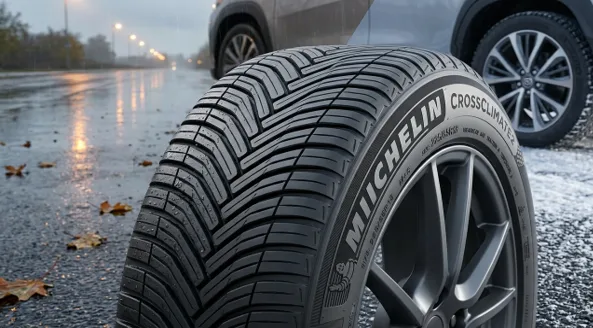
As per Growth Market Reports, the global all weather tire market size reached USD 24.2 billion in 2025, with robust growth driven by increasing consumer preference for year-round tire solutions and expanding automotive production worldwide. The market is expected to grow at a CAGR of 6.1% from 2026 to 2034, reaching a forecasted value of USD 41.2 billion by 2034. This growth is primarily attributed to rising demand for versatile tire solutions across both passenger and commercial vehicles, coupled with rapid advancements in tire technology that enhance safety, durability, and performance across diverse weather conditions.
The global All Weather Tire Market has gained remarkable momentum as consumers increasingly prioritize convenience, safety, and year-round driving performance. Unlike seasonal tires that require replacement based on changing weather conditions, all-weather tires combine the capabilities of summer and winter tires into a single solution. This versatility makes them particularly attractive to drivers living in regions with moderate seasonal changes, where frequent tire replacements can be costly and inconvenient.
Market Dynamics
Rising Consumer Preference for Convenience
One of the strongest factors driving the all-weather tire market is consumer demand for convenience. Vehicle owners increasingly seek products that eliminate seasonal tire changes, reduce storage requirements, and minimize maintenance expenses.
As urban lifestyles become busier, consumers appreciate products that simplify vehicle ownership. All-weather tires allow drivers to confidently travel throughout the year without scheduling multiple tire replacements, creating significant long-term savings.
This convenience-driven purchasing behavior has become especially noticeable among younger vehicle owners, ride-sharing drivers, and commercial fleets operating across multiple regions.
Increasing Focus on Road Safety
Road safety remains a primary consideration when selecting automotive components. Tire manufacturers continue investing heavily in advanced tread technologies designed to improve braking performance, hydroplaning resistance, and snow traction.
Modern all-weather tires incorporate multidirectional grooves, adaptive sipes, reinforced shoulder blocks, and silica-enhanced compounds that provide better grip under varying road conditions. As governments and consumers emphasize safer transportation, demand for premium tire technologies continues to expand.
Insurance companies and fleet operators also recognize the value of reliable year-round tire performance, further supporting market growth.
Challenges Affecting Market Growth
Performance Limitations in Extreme Weather
Although all-weather tires provide excellent versatility, they may not fully match the performance of dedicated winter tires in severe snow, heavy ice, or extremely cold environments.
Consumers living in regions experiencing prolonged harsh winters may still prefer specialized winter tires, limiting market penetration in certain geographical areas.
Manufacturers continue investing in research to narrow this performance gap through improved materials and tread engineering.
Raw Material Price Volatility
Natural rubber, synthetic rubber, carbon black, silica, steel, and petroleum-derived chemicals remain essential components of tire manufacturing. Fluctuating commodity prices can significantly impact production costs and profit margins.
Supply chain disruptions, geopolitical tensions, and transportation challenges further contribute to pricing uncertainty within the global tire industry.
Companies increasingly diversify sourcing strategies and invest in alternative materials to reduce supply-related risks.
Future Outlook
The future of the global all-weather tire market appears highly promising as automotive technologies, consumer preferences, and sustainability initiatives continue evolving. Growing demand for year-round mobility, reduced maintenance costs, and enhanced driving safety will remain major growth catalysts.
Technological breakthroughs in materials science, intelligent manufacturing, connected mobility, and electric vehicle optimization are expected to create new opportunities for tire manufacturers worldwide. Companies capable of balancing performance, durability, environmental responsibility, and affordability will likely strengthen their competitive positions.
Competitive Landscape
Prominent companies operating in the market are:
- Michelin
- Bridgestone Corporation
- Goodyear Tire & Rubber Company
- Continental AG
- Pirelli & C. S.p.A.
- Hankook Tire & Technology Co., Ltd.
- Sumitomo Rubber Industries, Ltd.
- Yokohama Rubber Company
- Nokian Tyres plc
- Kumho Tire Co., Inc.
- Toyo Tire Corporation


