

Nestled in the Atlanta metro area, Norcross is a bustling community with tree-lined streets, local shops, and easy access to major highways. With so many people relying on their vehicles daily, keeping cars in good condition is essential for safety and convenience. For owners of German cars, paying attention to brake maintenance is especially important to ensure reliable performance.
German cars have advanced braking systems that need regular care to perform at their best. Key maintenance tips include checking brake pads, keeping brake fluid fresh, inspecting rotors and calipers, avoiding hard braking, cleaning wheels and brakes to prevent corrosion, and following the manufacturer’s schedule.
To maintain the car’s components in peak condition, professional service is recommended. A well renowned BMW brake repair in Norcross, GA, provides expert inspections and maintenance from skilled Automotive Service Technicians, ensuring your car remains safe, reliable, and performing at its highest level.
1. Check Brake Pads Regularly
Brake pads wear out over time and need inspection at least every 6,000–12,000 miles. Look for thinning pads or metal wear indicators. If you hear squealing or grinding noises, it’s time for replacement. Regular pad checks prevent damage to rotors and other brake components.
2. Keep Brake Fluid Fresh
Brake fluid is essential for smooth braking. Over time, fluid can absorb moisture, which reduces its effectiveness. Check the brake fluid level and replace it according to your car’s schedule, usually every 2–3 years. Fresh fluid helps prevent corrosion and ensures proper braking power.
3. Avoid Hard Braking
German cars are designed for smooth, controlled stops. Frequent harsh braking wears out pads and rotors faster. Try to anticipate stops and brake gently whenever possible. This simple habit prolongs the life of your braking system and improves overall safety.
4. Inspect Rotors and Calipers Regularly
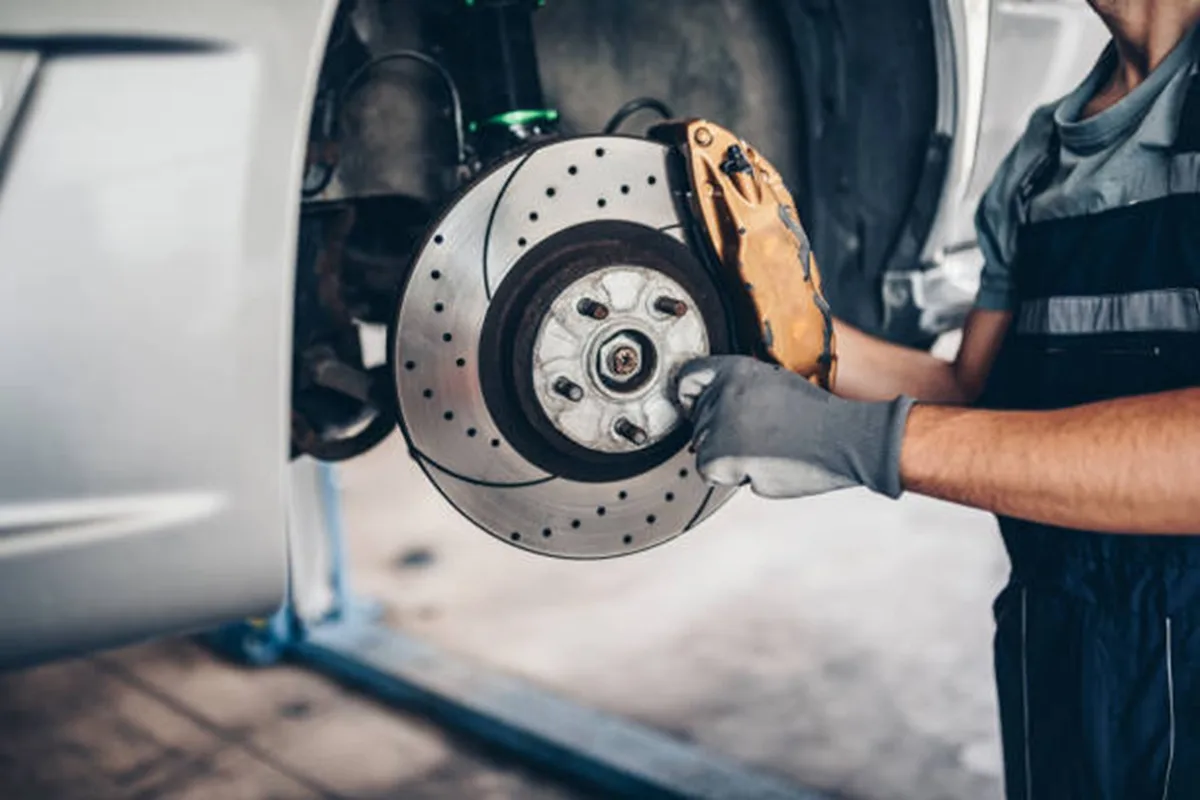
Rotors and calipers work with your pads to stop the car efficiently. Look for signs of warping, grooves, or leaks. Damaged rotors can cause vibrations while braking, and faulty calipers may reduce braking performance. Catching problems early prevents costly repairs.
5. Keep the Wheels Clean
Brake dust and dirt can build up and affect brake performance. Regularly clean your wheels and brake components with water or mild soap. This helps prevent corrosion and keeps the brakes working smoothly. Clean brakes also reduce the risk of squealing or sticking parts.
6. Follow the Manufacturer’s Maintenance Schedule
German car makers provide specific brake service schedules. Following these recommendations ensures parts are inspected and replaced when needed. Don’t skip routine checkups, even if the brakes seem fine. Professional service keeps your braking system reliable and protects your car’s value.
Why Brake Maintenance Matters
Proper brake care prevents accidents, reduces repair costs, and keeps your German car performing at its best. Small habits like checking pads, using fresh fluid, and avoiding harsh braking add up over time. An experienced BMW brake repair ensures complete attention to every detail. By staying proactive, you can enjoy safer drives, longer-lasting brake components, and fewer surprises on the road.
Key Takeaways
- Regularly inspect brake pads to prevent damage to rotors.
- Replace brake fluid every 2–3 years to maintain braking power.
- Avoid frequent hard braking to reduce wear on pads and rotors.
- Inspect rotors and calipers for warping, grooves, or leaks.
- Keep wheels and brakes clean to prevent corrosion and sticking parts.
- Follow the manufacturer’s maintenance schedule for reliable performance.
- Proper brake maintenance improves safety, performance, and vehicle value.


